Your roof protects everything underneath it – from your family and belongings to the structure of your home itself. While minor roofing issues can often be repaired, there comes a point when repairs are no longer enough. If your roof is showing signs of significant wear and tear, waiting another winter could lead to leaks, water damage, mold growth, and expensive emergency repairs.
This topic is especially important for homeowners in Maryland, where roofs must withstand snow, ice, freezing temperatures, heavy rain, and strong seasonal storms. A roof that seems “good enough” in the summer can quickly become a major problem once winter weather arrives.
In this post, we’ll cover the top signs your roof may not survive another winter, explain why these warning signs matter, and help you determine whether it’s time to schedule a professional roof inspection or consider roof replacement services.
Why Is It Important to Replace a Failing Roof Before Winter?
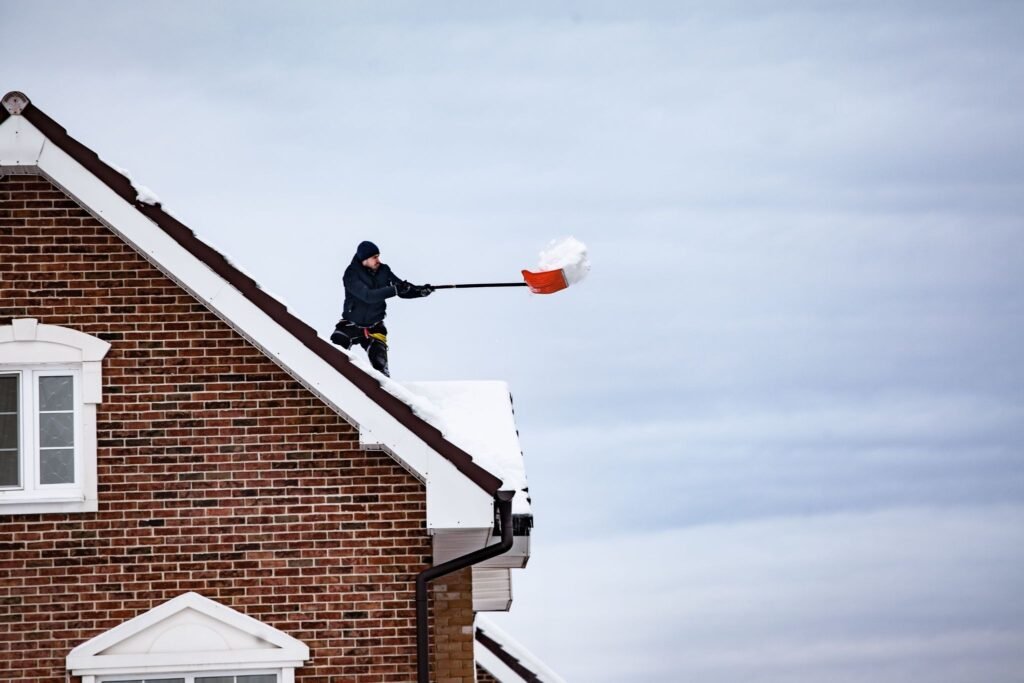
Winter is one of the harshest seasons for roofing systems. Snow accumulation, ice dams, freezing temperatures, and repeated freeze-thaw cycles can turn small roofing problems into major structural issues.
Water intrusion is one of the leading causes of residential property damage. What begins as a small crack, loose shingle, or hidden leak can result in damaged insulation, ruined drywall, mold growth, and costly repairs throughout the home.
A proactive roof inspection in an earlier season like summer often costs significantly less than dealing with emergency roof repairs during a storm.
If you’re unsure whether your roof is ready for another season, these warning signs can help.
Signs Your Roof Won’t Survive Another Winter
1. Your Roof Is More Than 20 Years Old
Age is one of the biggest indicators that a roof may need replacement.
Most asphalt shingle roofs last approximately 20-30 years depending on installation quality, ventilation, maintenance, and weather exposure. If your roof is approaching or exceeding the 20-year mark, it deserves close attention.
Even if you haven’t noticed leaks yet, older roofing materials become brittle over time. They lose their ability to shed water effectively and become increasingly vulnerable to wind and storm damage.
If your roof is over two decades old, scheduling a professional roof inspection should be a priority before winter arrives.
2. You Have Missing, Cracked, or Curling Shingles
Damaged shingles are one of the clearest signs of roof deterioration.
Look for:
- Missing shingles
- Curling edges
- Cracked surfaces
- Buckling sections
- Bald spots where granules have worn away
When shingles become damaged, your roof’s waterproof barrier becomes compromised. Winter moisture can easily work its way beneath roofing materials, leading to leaks and structural damage.
A few isolated shingles may be repairable, but widespread shingle damage often indicates that replacement is the more cost-effective long-term solution.
3. Granules Are Collecting in Your Gutters
Have you noticed large amounts of shingle granules in your gutters or downspouts?
Granules serve an important purpose. They protect shingles from UV damage and help maintain the roof’s durability.
As roofs age, granule loss accelerates. Excessive granule shedding often signals that shingles are nearing the end of their useful lifespan.
If your gutters consistently fill with black, sand-like particles after storms, your roof may be deteriorating faster than you realize.
This is especially common on roofs that are nearing replacement age.
4. You See Water Stains Inside Your Home
One of the most obvious warning signs is evidence of moisture indoors.
Watch for:
- Ceiling stains
- Peeling paint
- Discolored drywall
- Damp attic insulation
- Mold growth
- Musty odors
Many homeowners assume these issues are isolated interior problems when they’re actually symptoms of a failing roof.
Even small leaks can become major concerns during winter when snow and ice remain on the roof for extended periods.
If you’re already seeing water damage inside your home, it’s essential to schedule a roof inspection immediately.
5. Your Roof Is Sagging
A sagging roof should never be ignored.
Roof sagging often indicates:
- Moisture damage
- Rotting decking
- Structural deterioration
- Long-term leaks
- Excessive weight stress
Unlike cosmetic roofing issues, sagging can indicate serious structural problems that may worsen significantly under winter snow loads.
If you notice dips, waves, or uneven areas in your roofline, professional evaluation should happen as soon as possible.
This is one of the strongest indicators that replacement – not repair – may be necessary.
Your roof doesn’t have to be actively leaking to be at risk. Missing shingles, aging materials, granule loss, sagging areas, recurring repairs, and interior water damage are all signs that your roof may struggle to make it through another winter.
The earlier you identify these problems, the more options you’ll have. In many cases, homeowners who act proactively avoid costly emergency repairs and protect their homes from extensive water damage.
Wondering whether your roof is ready for another Maryland winter?
Contact MOCO Home Services today to schedule a professional roof inspection. Our experienced team can evaluate your roof’s condition, recommend the most cost-effective solution, and help you protect your home before cold weather arrives. Whether you need minor repairs or a complete roof replacement, we’re here to help.